
From Mandates to Megawatts
What 2025 Taught Us About the Future of Energy
December 1, 2025
By: Heather Patti, Meghan Hellman, and Romin Nejad
As 2025 winds down, energy leaders are facing a new kind of challenge: not whether to transition to clean energy, but how to scale it fast enough and smart enough to meet surging demand. The conversation has moved beyond renewables alone. It’s now about building a resilient, diversified power generation strategy that can support everything from data centers to decarbonization, while also strengthening critical minerals supply and delivering reliable megawatts to the grid.
At RE+ International in Las Vegas, NM this fall, our team noted five key trends shaping solar, wind, and storage development. Around the same time, similar themes emerged during the team’s attendance at the Electrical Transformation Canada conference in Toronto. In Brisbane, Australia at the 2025 Advanced Materials and Battery Day Conference, speakers noted a unique opportunity for the Australian battery and materials industry to value-add to our critical minerals supply chain to facilitate the transition to diversified and cleaner energy in the North American market.
As we look ahead to the broader energy landscape of 2026, it’s clear that the energy mix is evolving – and so is our approach. Leveraging the close geopolitical relationships between the US, Canada, and Australia can enable all three countries to build resilience and prosper through a continually evolving energy landscape.
Below, we explore what’s changed, what’s emerging, and how we’re adapting to support clients navigating the next phase of the energy transition.
The Energy Mandate Is Holding, but the Mix Is Expanding
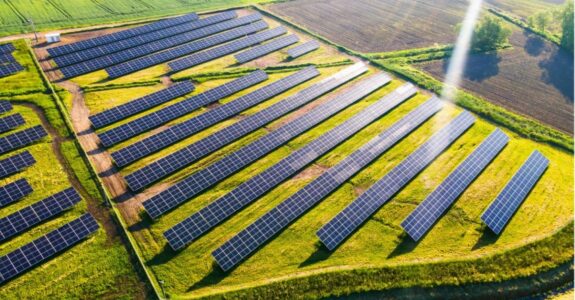
While there have been some political headwinds for renewable energy development this year, including the end of federal subsidies for solar and wind projects in the US, most of the states and jurisdictions are continuing to include renewable power as part of their energy security mix. A “Call for Power”, inviting proposals for new clean energy development projects, is present in most Canadian provinces. In Australia, renewable power demand has continued, but there has been a recognition that the power supply must be diversified with other energy sources, including gas power generation, waste-to-energy plants, and biogas digestion.
Battery Energy Storage Systems (BESS) are also gaining ground — not just as add-ons to solar and wind, but as standalone assets. While some US-based federal tax incentives are sunsetting, BESS is increasingly supported both in the US and Canadian markets, and we’re seeing more projects prioritize storage-first strategies. This shift reflects a deeper truth. The grid needs flexibility and resiliency, not just generation. In Australia, grid-scale BESS are also encouraged under existing policy, and Australia has recognized the value of pumped hydro as an alternative energy storage option.
Data Centers Are Reshaping the Power Conversation
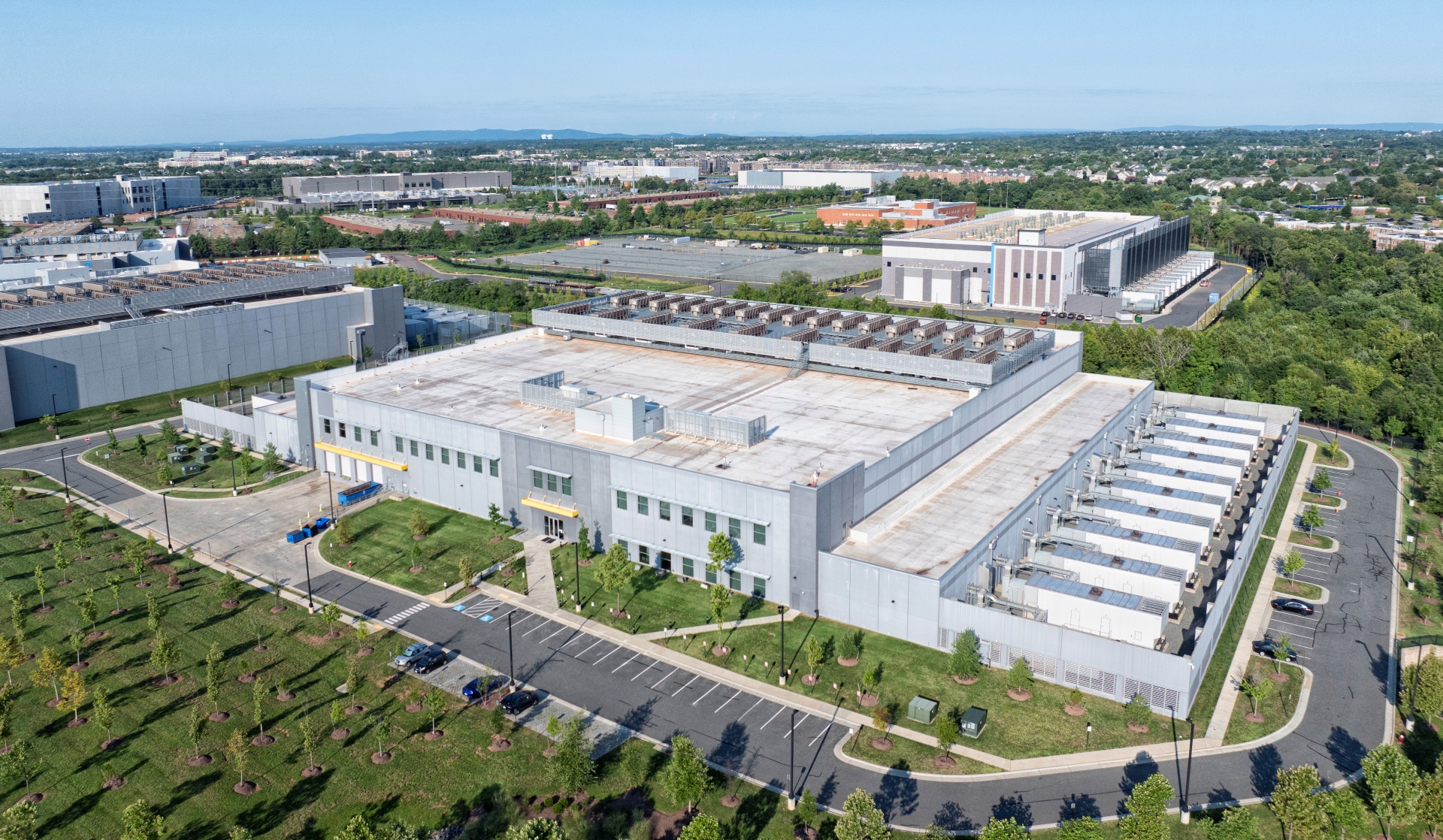
One of the most urgent themes heading into 2026 is the explosive growth of data centers. These facilities are no longer niche — they’re central to global infrastructure. And they’re driving a new wave of energy demand that’s straining outdated, legacy systems. See our recent article on Data Centers and Policy Shifts.
The upcoming Thomson Reuters Energy Conference agenda reflects this shift. Sessions on hyperscale load growth, grid modernization, and AI-driven forecasting point to a future where utilities, developers, and tech companies must collaborate in new ways. Power planning is no longer a 10-year exercise — it’s a real-time challenge.
Resilience Is the New Baseline
From copper supply constraints to interconnection delays to tariffs, infrastructure bottlenecks are real. But so is innovation. Virtual Power Plants (VPPs), Distributed Energy Resource Management Systems (DERMs), and microgrids are gaining traction as tools to balance demand and enhance reliability.
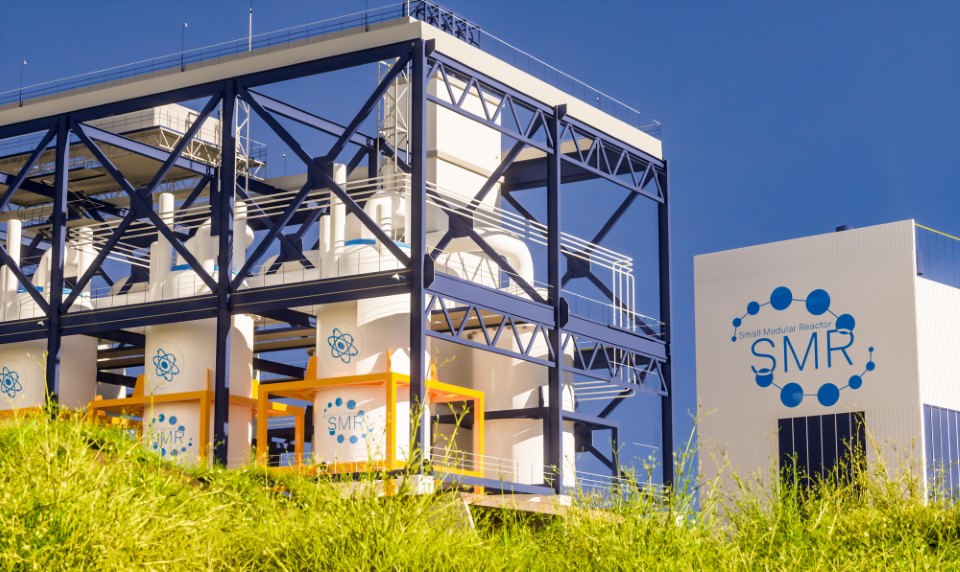
Meanwhile, traditional fuels are being reimagined. In the US, LNG is projected to triple exports by 2030. Nuclear is entering a “golden age” with new interest in Small Modular Reactors (SMRs) and advanced reactors, as demonstrated by the inclusion of a new nuclear project on the Government of Canada’s major projects list. SMRs are a new generation of nuclear reactors designed to be smaller, safer, and more flexible than traditional nuclear power plants, with a power output of around 300 megawatts.
Finally, carbon capture is evolving from a compliance tool to an investment strategy. The energy mix is no longer binary. It’s a portfolio.
AI isn’t just a tool for developers anymore. AI is becoming essential for grid operators, utilities, and financiers. From predictive maintenance to real-time load forecasting, AI is helping the industry move faster and smarter.
As we move into 2026, one thing is clear: the energy transition is no longer about individual technologies or isolated projects. It’s about orchestrating a diverse, resilient portfolio, from solar, wind, and battery storage, to nuclear, natural gas, and emerging solutions, while integrating data-driven planning, AI, and strategic supply chains across borders. The lessons of 2025 show that success will come to those who can navigate complexity, leverage collaboration between the U.S., Canada, and Australia, and anticipate the next wave of demand, from hyperscale data centers to broader decarbonization goals. For energy leaders, the mandate is evolving: it’s no longer just about meeting targets, but scaling smartly, reliably, and strategically in a rapidly changing landscape.
Our clients are navigating a more complex energy landscape, and we’re here to help them build strategies that are resilient, scalable, and grounded in real-world demand. Whether it’s supporting BESS siting, advising on environmental permitting for renewables or LNG, or helping integrate AI into infrastructure planning, we’re committed to shaping a smarter, more sustainable energy future.
Continue Reading
We’re excited to continue this work with our clients and partners in the year ahead. If you’d like to explore how we can support your energy strategy, we’d love to connect.
Top Takeaways from RE+ International
Responsible Development for Alberta’s Future
Agrivoltaics: A Smarter Path to Solar Permits and Dual Land Use
 Heather Patti
Senior Associate (United States)
With over two decades of experience, Heather is a highly skilled expert in the fields of botany, ecology, and renewable energy project support. Specializing in renewable energy project management, wetland delineation, expert witness testimony, rare species surveys, and ecological restoration, she has made significant contributions in her current role as a Senior Associate at Montrose. Throughout her career, Heather’s work has been pivotal in protecting and preserving natural habitats and managing wetland delineation projects. Heather holds a Master of Science (MS) degree in Botany and Ecology from North Carolina State University and a Bachelor of Science (BS) in Biology and Chemistry from the University of North Carolina Wilmington.
 Meghan Hellman
Sector Lead – Power (Canada)
Meghan Hellman is a Professional Agrologist with over 18 years of experience in environmental consulting. She is a Senior Ecologist and the Power Sector Lead for Montrose’s Canadian consulting and engineering division. Meghan has supported various environmental projects, including biophysical assessments, renewable energy report submissions, environmental evaluations, environmental impact assessments, conservation, and reclamation plans, and wetland identification and delineation work in support of Water Act applications. In addition to her technical work, she is a project manager for various sector clients and guides them through the regulatory and permitting process in support of project development.
 Romin Nejad
Principal Environmental Engineer (Australia)
Romin Nejad is a Principal Environmental Engineer at Epic with over 20 years of experience navigating Queensland’s environmental approvals framework. He specialises in primary and secondary approvals, compliance, and closure across sectors, including renewable energy, resources, utilities, and waste management. Romin has led statutory approvals, large-scale impact assessments, due diligence, and closure planning. An accomplished environmental auditor, he has completed over 75 independent system and compliance audits across Australia. With a strong ability to engage regulators and develop practical solutions, Romin brings valuable expertise to complex environmental projects.
