Landfill Methane Regulation Is Coming to Canada
January 22, 2026
By: CARTER MORRISON
With regulations coming in 2028, municipal leaders who act now will shape how landfill methane is managed, not just how it is regulated.
Key takeaways
- National landfill methane regulation is coming in 2028, and the pace is accelerating
- The most prepared municipalities are already shaping their methane strategies before rules take shape
- The difference between reacting and leading will come down to timing, data, and credibility
Setting the context
Canada is moving toward national landfill methane regulation and the direction is clear. Methane from landfills will shift from a passive environmental issue to one that demands active, defensible management.
For municipalities, the real question is not whether regulation is coming. It is how proactively they will manage methane, in a way that protects their license to operate, builds public trust, and avoids being forced into reactive decisions once requirements are finalized.
After working with municipalities, regulators and operators across North America on complex air and methane compliance programs, one lesson is consistent. Municipalities that plan early stay in control and those that wait are forced to react, opening the door to increased cost and risk.
Why Landfill Methane is Being Targeted
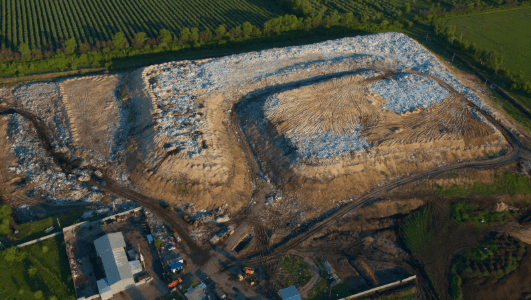
Landfills are one of the largest sources of methane emissions in Canada, accounting for roughly 17% of national methane output as of 2024, according to Environment and Climate Change Canada. Unlike many industrial sources, landfill methane increases gradually and predictably as waste accumulates over time.
That predictability is precisely why landfill methane is under regulatory focus. It is also why municipalities have a rare advantage, they can see compliance challenges coming years in advance if they choose to look.
Methane from landfills is not a surprise problem. It is a known trajectory.
What is Changing
- Landfills will be screened on a recurring basis using methane generation estimates, direct measurements, or a combination of both
- Larger and higher emitting sites will face more requirements than smaller ones
- Methane management will become an ongoing operational responsibility, not a one-time project
- Documentation and proof of compliance will matter just as much as physical systems
What Municipalities Should Be Doing Now to Get Ahead
No one is suggesting that municipalities need to rush into large capital investments or install methane control systems tomorrow. However, waiting for 2028 before taking any action at all carries its own risk.
A proactive methane strategy is not about reacting to rules. It is about establishing core principles that future-proof operations regardless of how regulations evolve.
That means building an understanding of emissions today, identifying when future requirements are likely to apply, and aligning methane management with long-term operational and financial planning. This approach allows municipalities to remain flexible while avoiding last-minute decisions driven by regulatory pressure rather than sound strategy.
The Questions that Matter Before the Regulation Applies in 2028
Rather than focusing on equipment or speculative dates, municipal leaders should be asking more fundamental questions.
- How much methane is our landfill likely generating today?
- How quickly is that number changing based on waste intake and site conditions?
- At what point would future regulation realistically apply to our landfill?
- How would that timing intersect with our capital plans and budget cycles?
- What data would we need to clearly defend our decisions to the council, regulators, or the public?
These questions will help build a future-proofed methane strategy regardless of this, or any future regulation.
Looking Ahead For Canadian Landfills
Landfill methane regulation is coming, but uncertainty does not have to mean inaction. Municipalities that invest now in understanding their emissions and building a proactive management framework will be better positioned to adapt, comply, and lead when these rules apply in 2028.
The opportunity is not simply to meet future requirements. It is to future-proof operations, protect public trust, and stay in control of decisions that will shape landfill management for decades to come.
Ready to start a conversation about landfill methane readiness?
Contact us here to connect with our team and discuss what your landfill is generating today, how regulation may apply, and how municipalities are planning ahead without overcommitting.
 Carter Morrison
Business Development Manager
As a Business Development Manager at Montrose Environmental Group, Carter brings over a decade of experience in the oil and gas industry. He holds credentials as a Steamfitter/Pipefitter with deep expertise in Environmental Management. He leads efforts to provide innovative emission reduction and methane emission management solutions, helping clients worldwide exceed their environmental and sustainability goals.