CASE STUDY
Advancing Brownfield Approvals to Restart Responsible Gold Production
Early regulator alignment and a coordinated approvals strategy cleared a practical pathway to restart operations and modernize closure planning on a legacy site.
Highlights
30-year inactive site history reconciled with current regulatory expectations
Major EA amendment pathway advanced to align legacy approvals with current regulatory expectations
PRCP and ERC secured as critical frameworks for closure planning


Raising a higher bar for responsible production
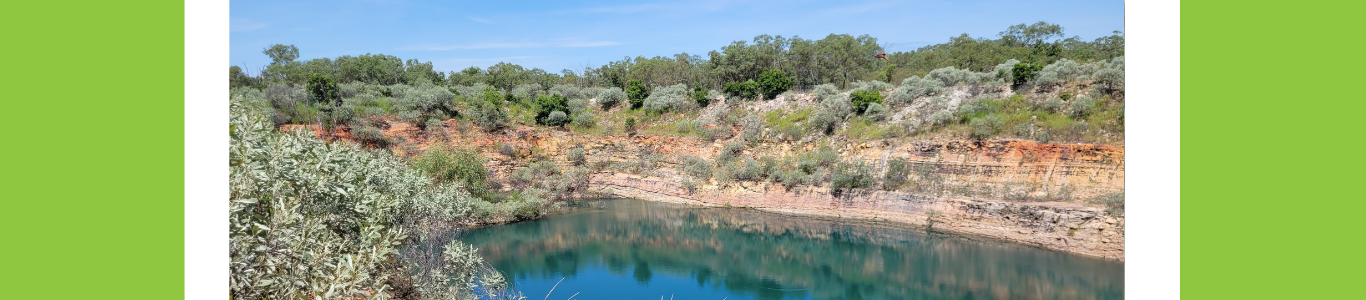
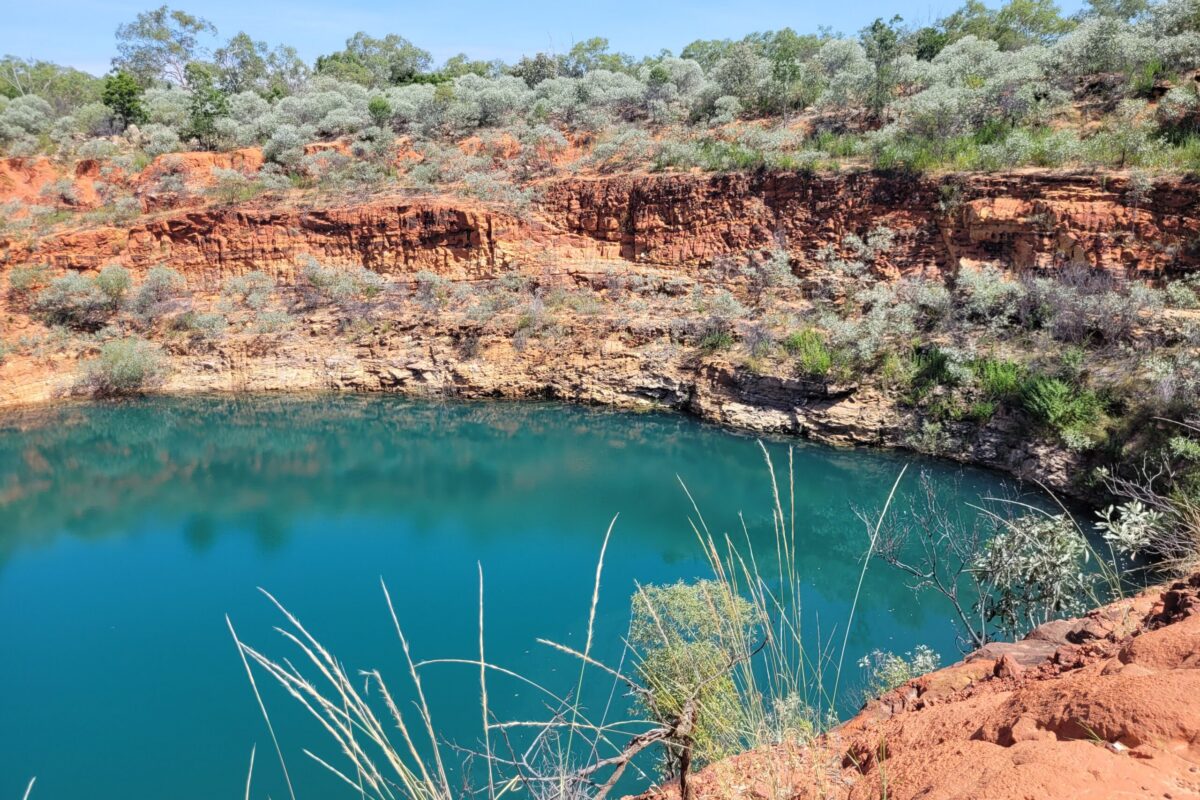
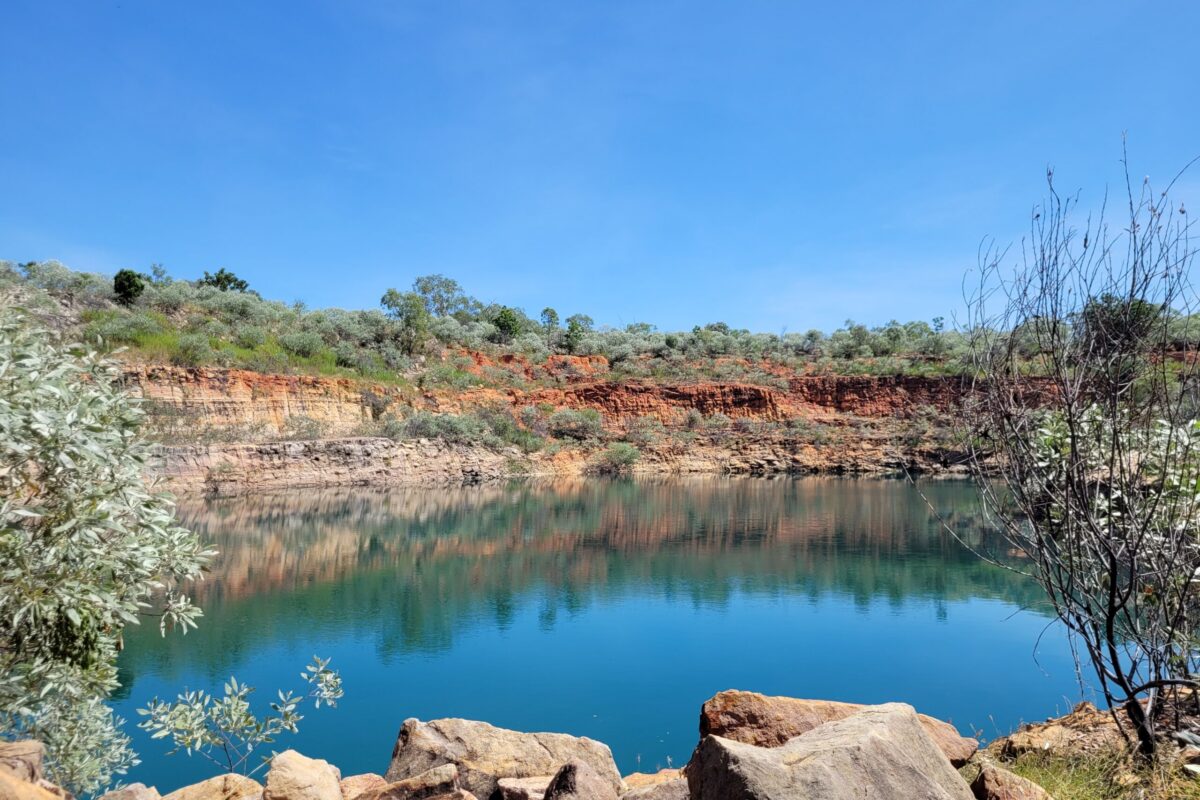
Croydon Gold Project is a historical brownfield site that had been inactive for around 30 years. That history shaped the restart pathway and it also shaped what responsible production required from day one.
Legacy disturbances and inherited liabilities required careful interpretation against contemporary regulatory expectations. Existing documentation and approvals did not always map cleanly to current standards. The work began by reconciling what was in place with what regulators needed to see for a restart that protects environmental values and supports practical operations.
The goal was not to simply restart. The goal was to restart with a stronger environmental framework than the site had previously operated under, so future gold production could proceed with clearer controls, clearer closure outcomes and fewer surprises.
Turning closure planning into an operating decision, not an end-of-mine task
The existing Environmental Authority required assessment through a major amendment pathway. That triggered deeper technical assessment and tighter coordination with regulators than a routine update.
In parallel, the project required a new Progressive Rehabilitation and Closure Plan (PRCP). For a legacy site, closure planning sets the operating logic early. Landform intent, rehabilitation staging, and end-use outcomes influence where disturbance occurs, how water and waste rock are managed, and how the site demonstrates continuous improvement as mining resumes.
To support responsible production, the approvals package needed to show a clear line of sight from operations to rehabilitation, then through to closure, using assumptions that stand up under scrutiny.
Building one joined-up approvals sequence that stays defensible
The project team built an integrated approvals strategy tailored to the site history and restart objectives. Work began with a detailed review of legacy approvals and conditions to identify gaps, conflicts and obligations that could affect the major amendment pathway. That baseline enabled a practical sequence aligned to how regulators assess risk, starting with a clear definition of the legacy context, then demonstrating how the updated Environmental Authority would manage current and future impacts and finally showing how rehabilitation and closure outcomes remain achievable as operations resume. A fit-for-purpose PRCP then aligned historical landform features with current closure standards and project intent. Where historical data gaps existed, the team responded with evidence-based technical inputs that regulators could trace back to the approval decisions they needed to make.
This is where responsible gold production became tangible. Instead of treating approvals and closure as parallel paperwork streams, the work tied operating controls to progressive rehabilitation outcomes, so environmental performance improves while production ramps up.
“Legacy sites move faster when the client team and regulator can see one joined-up story. We focused on sequencing, clear documentation and quick issue resolution so the approvals pathway stayed practical and defensible.” – Mark Breitfuss, Principal Environmental Scientist and Mining Market Sector Leader
Outcomes that support restart readiness and stronger environmental outcomes
The coordinated approach advanced the major amendment to the existing Environmental Authority (EA) and secured closure-critical approvals, including the PRCP and the Estimated Rehabilitation Cost (ERC) framework. Flora and fauna surveys and supporting technical reporting reduced uncertainty across the approvals package and strengthened regulator confidence in how impacts will be managed.
Just as importantly, the approvals architecture now links legacy constraints, modern operating controls and closure outcomes in one coherent framework. That clarity supports operational decision-making, strengthens closure readiness and provides financiers with greater confidence that the restart pathway is practical, controlled and aligned with contemporary environmental expectations.
As the project progresses, this structure provides a working model for brownfield restart projects where responsible production depends on early alignment, traceable decisions and closure planning that actively shapes how the site operates.